 11
11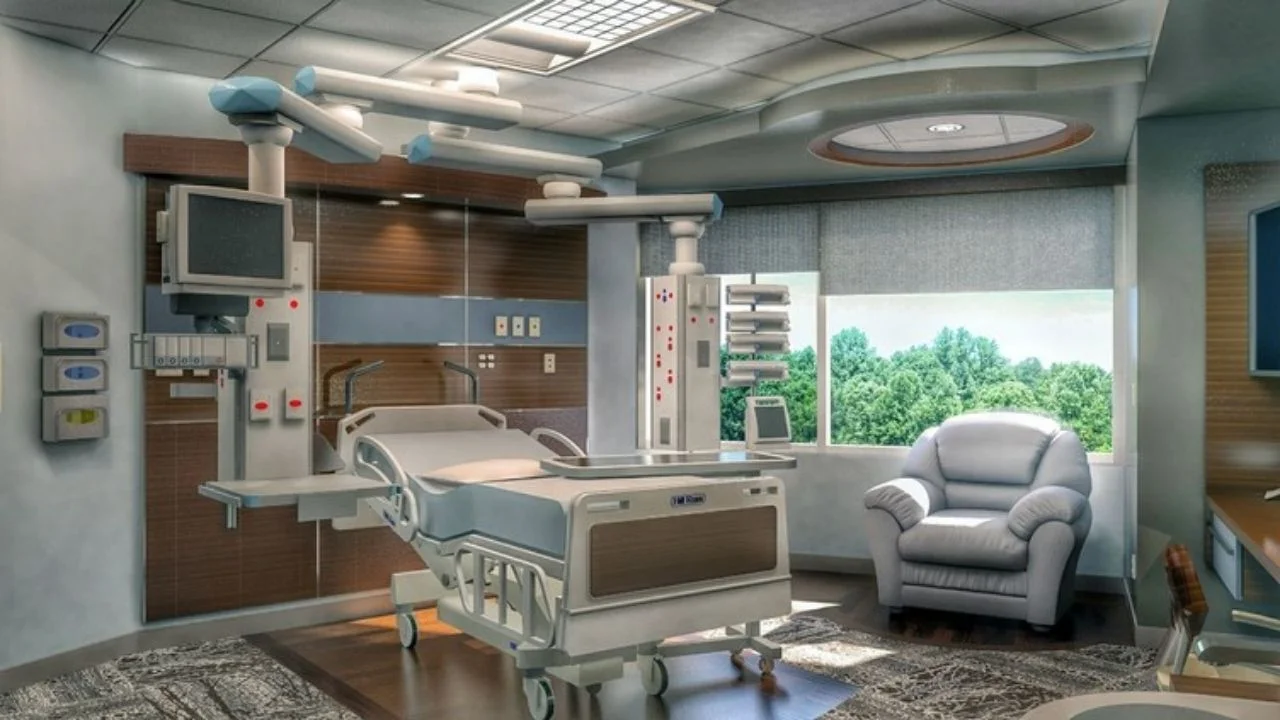
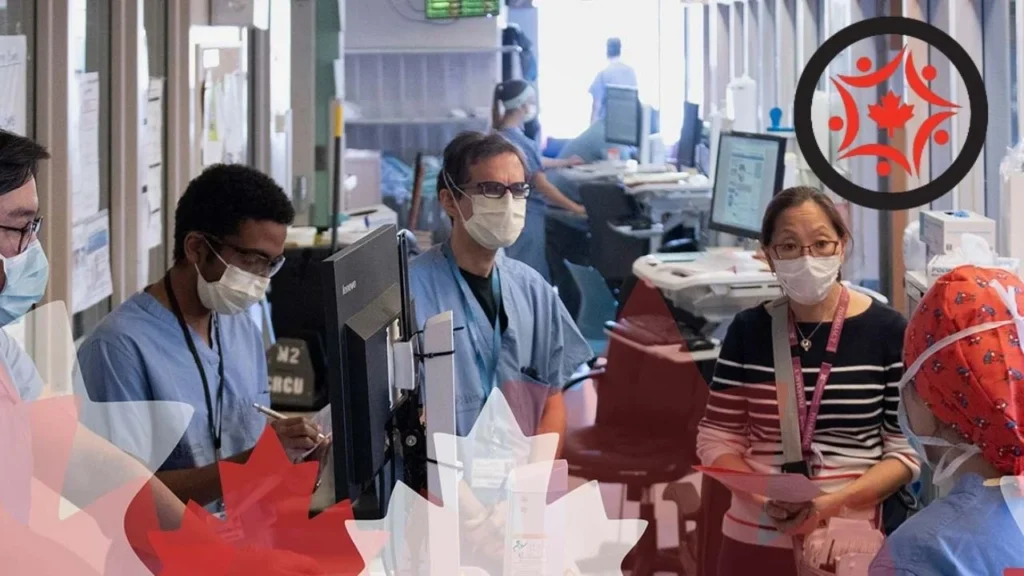
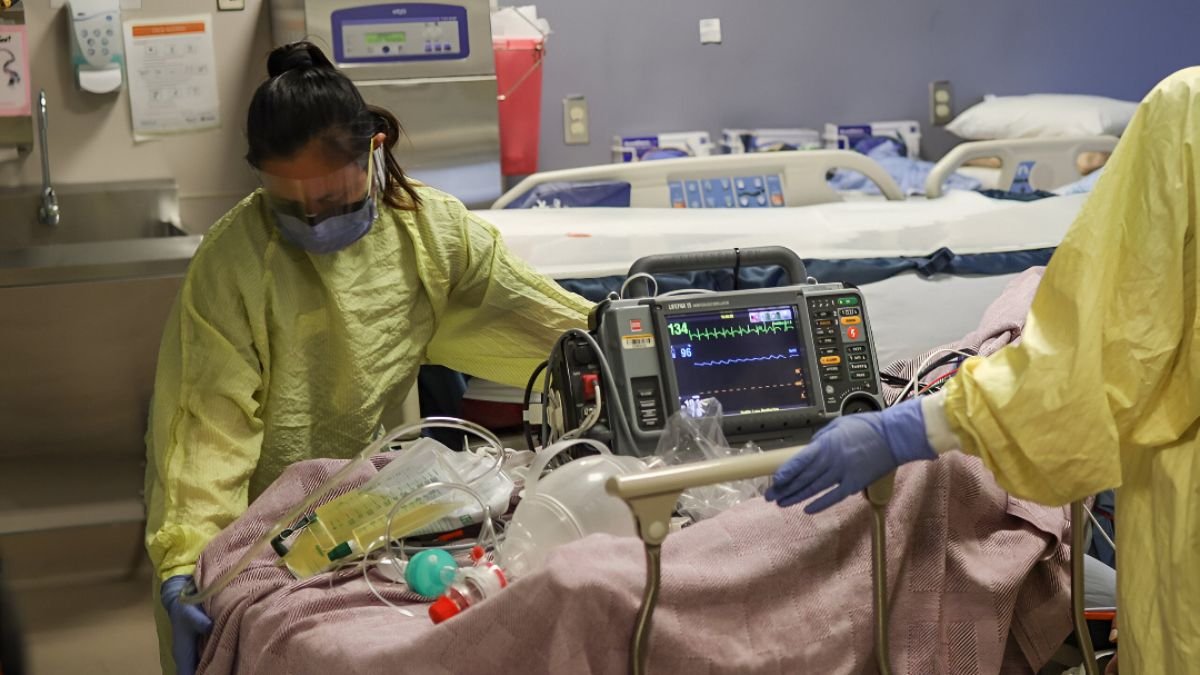
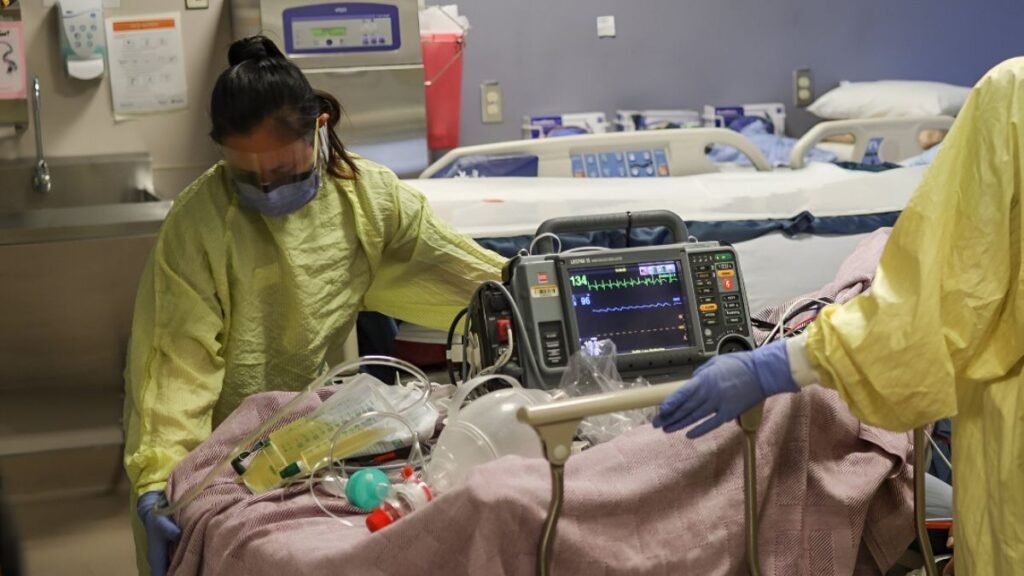
Intensive Care Units (ICUs) represent one of the most complicated and immoderate-stakes environments in contemporary healthcare. Patients admitted to the ICU frequently face life-threatening conditions requiring steady tracking, advanced generation, and fast medical decision-making. In such settings, no single professional can control care on my own. The future of ICU care lies in more potent, greater dependent multidisciplinary collaboration—in which various specialists artwork seamlessly collectively to supply greater secure, smarter, and extra compassionate care.
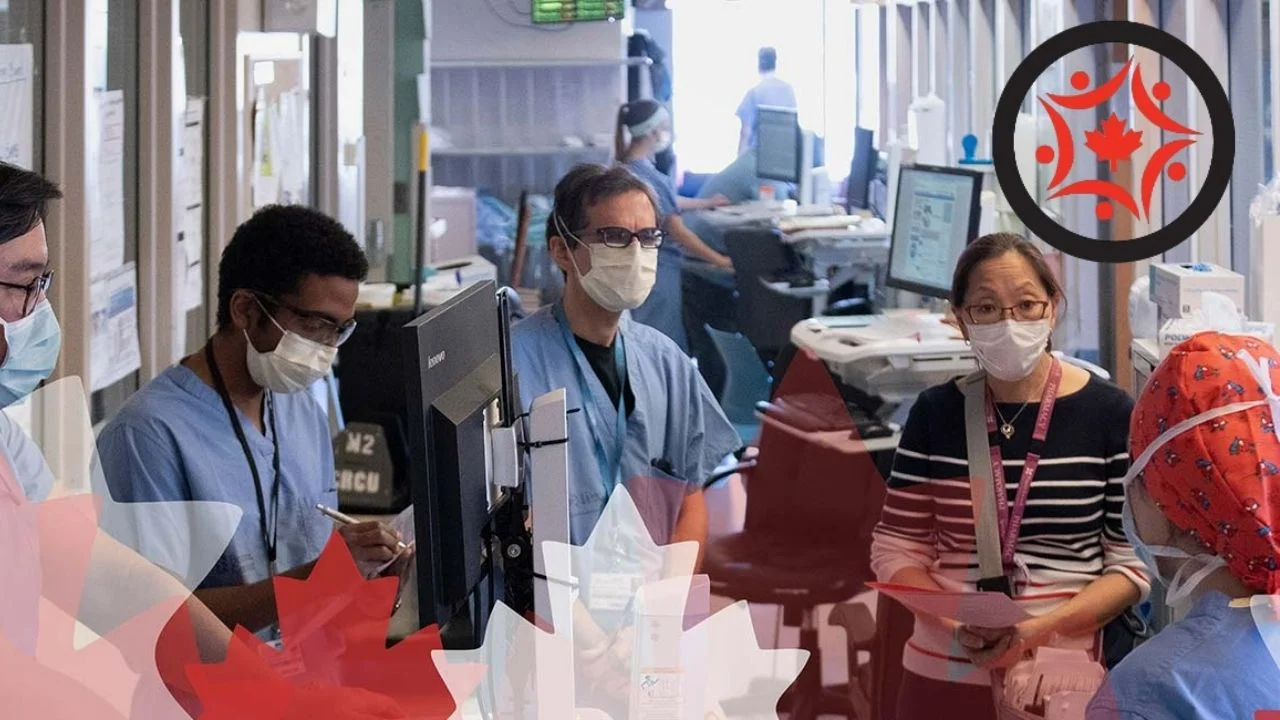
Traditionally, ICU care has involved multiple experts operating alongside each other. However, the destiny emphasizes moving beyond parallel practice toward integrated collaboration. This method shared decision-making, truely defined roles, mutual respect, and non-stop communication amongst intensivists, nurses, breathing therapists, pharmacists, physiotherapists, dietitians, social people, and palliative care specialists.
Multidisciplinary rounds are becoming greater structured and information-driven. Digital dashboards, shared digital health facts, and standardized communique gear ensure that every crew member has get entry to to real-time affected person facts. This transparency reduces mistakes, prevents duplication of tasks, and aligns around common goals.
Advances in technology are reworking how ICU organizations collaborate. Artificial intelligence (AI) and predictive analytics provide early warnings for affected individual deterioration, permitting wonderful experts to intervene proactively. Tele-ICU structures connect a long way off experts with bedside agencies, increasing get admission to to specialized information in underserved or rural hospitals.
Virtual collaboration structures moreover permit multidisciplinary discussions beyond bodily boundaries. For instance, pharmacists can evaluate medication plans remotely, and experts can seek advice from on complex instances through consistent virtual networks. These innovations make sure continuous professional enter, irrespective of region.
The destiny of ICU collaboration will vicinity even extra emphasis on affected person- and own family-centered care. Families are increasingly recognized as crucial companions in decision-making, in particular while patients can’t communicate. Structured family conferences, related to physicians, nurses, and help staff, sell clarity and agree with.
Incorporating palliative care professionals early inside the ICU stay is any other evolving fashion. This does now not always sign stop-of-life care however guarantees that satisfactory of life, symptom control, and affected person values are taken into consideration throughout treatment. Such integration fosters holistic care instead of focusing solely on physiological stabilization.
To give a boost to collaboration, healthcare structures are making an investment in interprofessional education. Simulation-based training lets in ICU teams to exercise emergency situations collectively, improving coordination throughout actual crises. Cross-schooling projects assist professionals apprehend each different’s roles, demanding situations, and contributions, lowering hierarchy-pushed obstacles.
Leadership development is likewise critical. Future ICU leaders have to cultivate cultures of mental protection, in which crew individuals sense snug speakme up about concerns. This open surroundings without delay complements patient safety and personnel well-being.
Burnout remains a significant issue in critical care. The future of multidisciplinary collaboration includes shared duty and emotional support. When workload is sent correctly and communication remains open, team individuals revel in much less strain and extra process pleasure. Peer help programs and debriefing periods after crucial occasions are getting wellknown practices.
The future of multidisciplinary collaboration in ICU settings is dynamic, generation-more advantageous, and deeply affected patient-centered. By embracing integrated teamwork, leveraging digital improvements, promoting interprofessional schooling, and fostering supportive paintings cultures, ICUs can deliver better-pleasant care even as protective the well-being of healthcare specialists. In a area in which seconds rely and complexity is constant, collaboration will continue to be the foundation of excellence in critical care.