 11
11
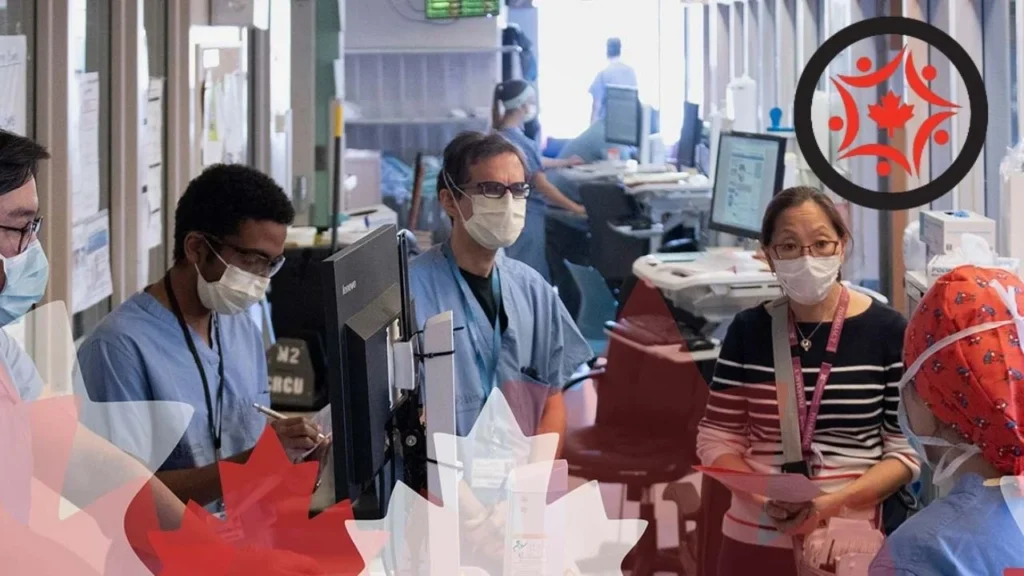
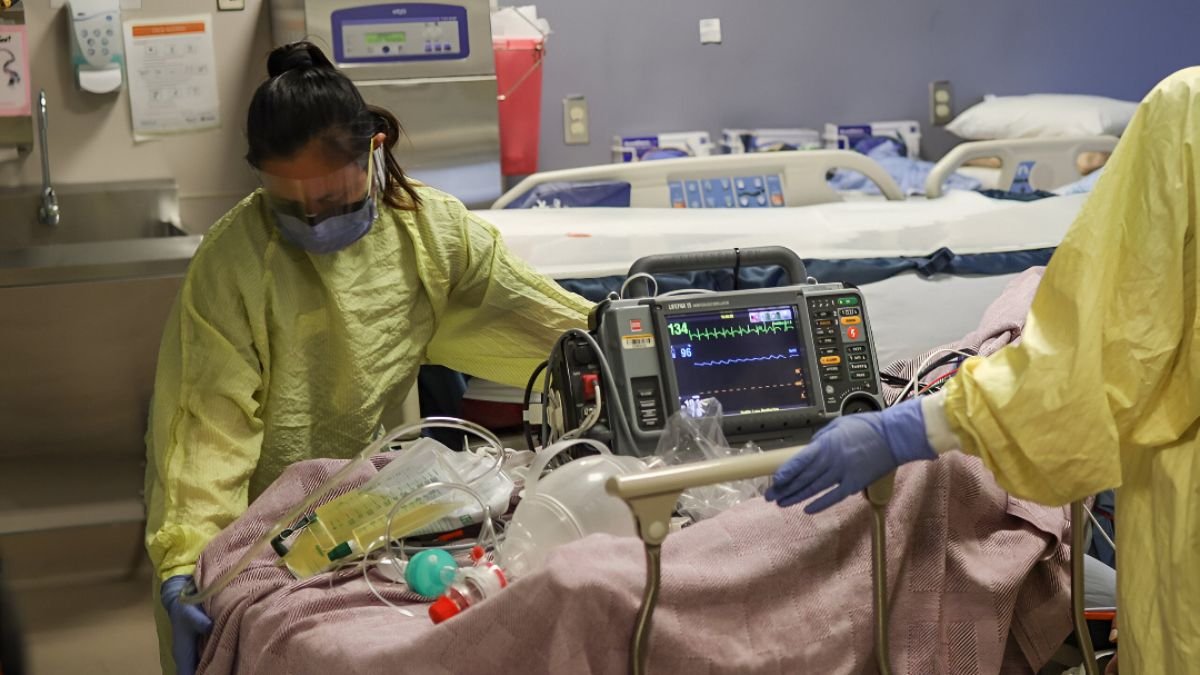
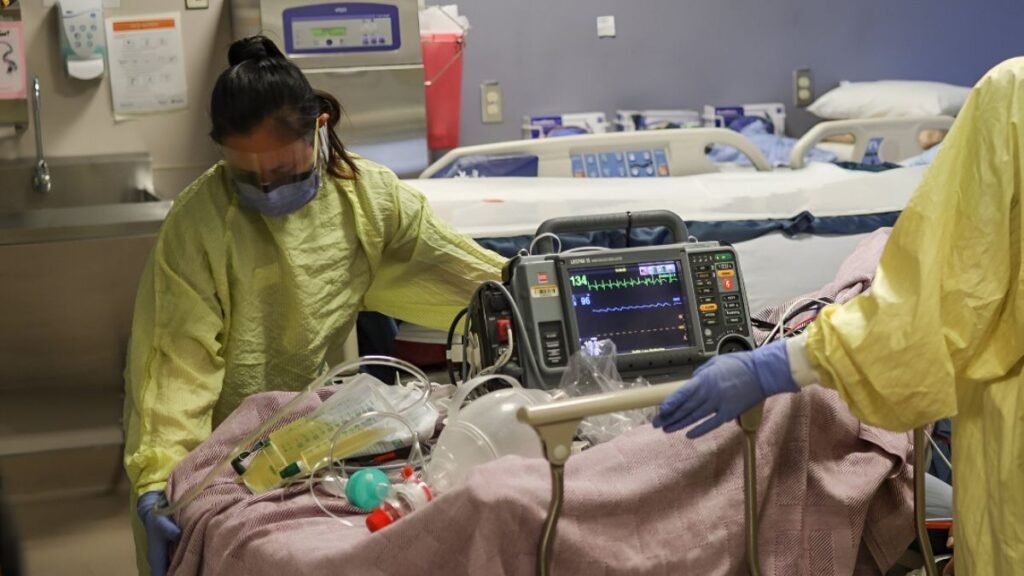
Critical Care Units (CCUs) and Intensive Care Units (ICUs) are a few of the most complicated environments in modern-day healthcare. Patients admitted to those units frequently face lifestyles-threatening conditions inclusive of respiratory failure, extreme infections, trauma, or multi-organ disorder. Managing such complexity requires more than patient information—it needs coordinated, interprofessional teamwork. The position of interprofessional teams in essential care devices is primary to enhancing affected patient consequences, ensuring protection, and delivering holistic care.
An interprofessional team consists of healthcare experts from severa disciplines who collaborate cautiously to provide complete patient care. In crucial care settings, this normally includes intensivists, anesthesiologists, bedside nurses, respiration therapists, pharmacists, physiotherapists, nutritionists, social human beings, and every so often palliative care specialists. Each member contributes specialised know-how, but their collective goal is unified: stabilizing and assisting appreciably ill patients.
Critical care sufferers frequently revel in fast changes in their circumstance. Timely and informed decission-making can be life-saving. Interprofessional collaboration permits group individuals to pool information and perspectives when comparing treatment options. For example, even as a medical doctor determines the general control plan, a pharmacist guarantees suitable medicine dosing, a respiratory therapist adjusts ventilator settings, and nurses show diffused scientific adjustments at the bedside.
Daily multidisciplinary rounds have emerge as a fashionable practice in lots of ICUs. These based discussions sell shared know-how, lessen miscommunication, and align treatment goals. Evidence indicates that such collaboration reduces medical errors, shortens ICU remains, and improves survival charges.
Patient safety is a center priority in critical care gadgets. The excessive-risk nature of procedures—which include mechanical ventilation, critical line insertion, and non-stop renal replacement therapy—calls for precision and teamwork. Interprofessional groups use checklists, care bundles, and standardized protocols to prevent headaches like ventilator-related pneumonia or catheter-associated infections.
Clear conversation amongst crew individuals minimizes mistakes associated with remedy management, handoffs, and documentation. When experts admire and apprehend each other’s roles, they invent a lifestyle of responsibility and shared duty that enhance overall quality of care.
Critical infection affects no longer best sufferers but also their households. Interprofessional teams play a important position in imparting emotional and mental assist. Social employees and palliative care professionals assist families navigate difficult choices, consisting of quit-of-existence care discussions when important. Nurses regularly serve as key communicators, bridging the distance between scientific data and family know-how.
This holistic approach ensures that care extends beyond physiological stabilization to include compassion, dignity, and clear verbal exchange.
The ICU environment can be emotionally excessive and physically annoying. Interprofessional teamwork fosters mutual aid amongst healthcare workers. Sharing obligations, consulting colleagues, and maintaining open communique can reduce strain and save you burnout. A collaborative tradition additionally encourages gaining knowledge of, mentorship, and expert growth.
Interprofessional groups are the backbone of effective critical care units. By combining diverse expertise, promoting clear verbal exchange, and that specialize in affected patient-centered results, these teams improve safety, performance, and compassion in life-acuity settings. As crucial care continues to enhance, sturdy interprofessional collaboration will continue to be crucial in delivering tremendous, life-saving care.