 11
11
As the World Critical & Intensive Care Congress (WCICC) 2025 brings collectively healthcare experts from around the world, organizers have integrated an Indigenous Land Acknowledgement into the hole complaints. This inclusion reflects a growing reputation in international healthcare that honoring Indigenous histories and relationships to region isn’t always most effective respectful, but significant to building inclusive and equitable health communities.
An Indigenous Land Acknowledgement is a proper declaration recognizing the traditional stewards of the land on which an event takes vicinity. It names the Indigenous peoples and global locations related to the territory, acknowledging their enduring presence, culture, and information. At WCICC 2025, this workout sets the tone for a congress committed to honoring range, cultural humility, and collaborative studying.
While land acknowledgements are often associated with cultural or political gatherings, their inclusion in healthcare meetings like WCICC 2025 highlights a deeper reason: to confront histories of marginalization and verify a dedication to health equity.
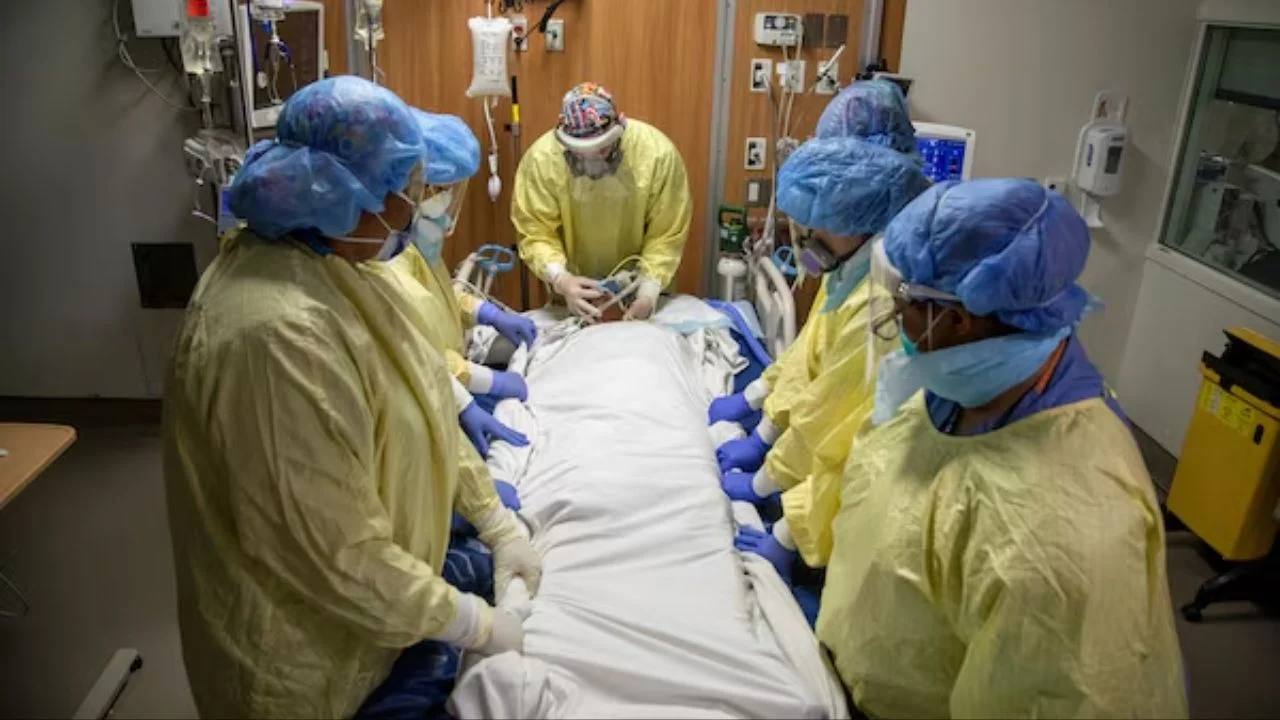
Healthcare does not perform in a cultural vacuum. Policies, practices, and consequences are customary via history, electricity, and social context. Indigenous agencies international have experienced disproportionate barriers to healthcare get right of entry to, from systemic discrimination to loss of culturally safe offerings. In essential care, these disparities may be stark—affecting survival charges, continual disorder management, and access to advanced treatments.
By beginning with a land acknowledgement, WCICC 2025 honors Indigenous voices and histories, reminding attendees that fitness conversations are rooted in human enjoy and social fact. It invites healthcare professionals to reflect on how structures of care can inadvertently replicate forms of exclusion—and the way they may actively work to dismantle them.
An Indigenous Land Acknowledgement is greater than a symbolic gesture. When paired with intentional dialogue, it encourages mirrored image on how healthcare systems can grow to be greater respectful, culturally safe, and inclusive. For many Indigenous peoples, health and health are deeply related to land, network, language, and cultural practice. Recognizing this interconnectedness challenges traditional healthcare models to develop their views and practices.
In the context of WCICC 2025, the acknowledgement opens space for listening—to study from Indigenous fitness leaders, to understand numerous fitness paradigms, and to build partnerships grounded in mutual appreciate.
Importantly, a land acknowledgement must result in tangible commitments. This might encompass greater representation of Indigenous experts in speaking programs, devoted classes on Indigenous health troubles in important care, and long-term collaborations with Indigenous fitness groups. These moves sign that appreciate is paired with responsibility.
The Indigenous land acknowledgement at WCICC 2025 represents greater than a ceremonial lifestyle — it presentations a dedication to realize, equity, and cultural consciousness in worldwide healthcare. By recognizing the historical and ongoing contributions of Indigenous companies, the congress units an important instance for medical activities worldwide. Ultimately, such practices assist encourage communicate, promote reconciliation, and inspire healthcare professionals to work in the path of more inclusive and culturally responsive care systems.