 11
11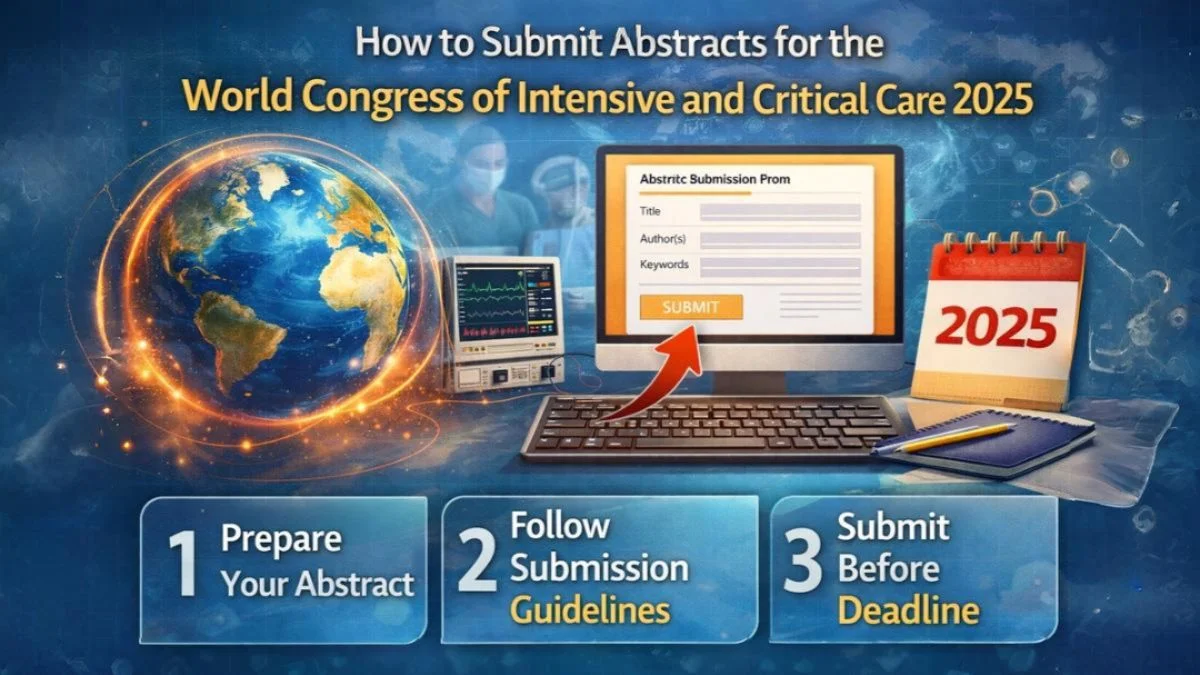
Submitting an abstract for the World Congress of Intensive and Critical Care 2025 is more than an administrative task—it is an opportunity to contribute to the global conversation shaping the future of critical care medicine. Abstracts are the foundation of the scientific program, representing new ideas, research findings, clinical experiences, and innovative approaches from across the world. For many healthcare professionals, abstract submission is also a chance to share their voice, gain international recognition, and engage with peers who face similar challenges in intensive and critical care settings.
At an international congress of this scale, abstracts help define the themes and priorities of the event. They reflect what the global critical care community is studying, questioning, and improving. Whether focused on clinical research, quality improvement, education, or ethics, each abstract adds value to a collective body of knowledge. For presenters, having an abstract accepted means becoming an active participant rather than a passive attendee, contributing directly to the advancement of the field.
Abstract submission is open to a wide range of professionals involved in intensive and critical care. Physicians, nurses, researchers, educators, trainees, and allied health professionals are all encouraged to participate. You do not need to be a senior researcher to submit an abstract. Many congresses actively welcome early-career professionals and first-time presenters, recognizing that innovation often comes from fresh perspectives and frontline experience.
Selecting the right topic is the first and most important step in the submission process. Strong abstracts usually address real-world challenges, present clear findings, or offer practical insights that can be applied across different healthcare systems. Topics may include clinical outcomes, new treatment strategies, patient safety, ethical decision-making, education in critical care, or innovations in ICU practice. The most impactful abstracts are those that connect scientific rigor with relevance to everyday patient care.
Each World Congress of Intensive and Critical Care is guided by overarching themes that reflect current priorities in the field. Before writing your abstract, it is essential to understand these themes and align your work accordingly. Doing so increases the chances of acceptance and ensures that your research resonates with the broader goals of the congress. Alignment shows reviewers that your work contributes meaningfully to the collective mission of improving critical care worldwide.
The congress typically offers multiple abstract categories to accommodate different types of work. These may include original research, clinical case studies, quality improvement projects, educational initiatives, or systematic reviews. Understanding the category that best fits your work helps reviewers evaluate it fairly and accurately. Each category may have specific expectations, so careful attention to guidelines is essential before submission.
A well-written abstract is clear, concise, and focused. It tells a complete story within a limited word count. Strong abstracts usually include a brief background, a clear objective, a description of methods or approach, key findings, and a meaningful conclusion. Clarity is more important than complexity. Reviewers often read hundreds of submissions, so an abstract that communicates its message efficiently and logically stands out.
When writing your abstract, it is important to explain why your work matters. Reviewers look for relevance to critical care practice, education, or policy. Clearly stating how your findings can improve patient outcomes, inform clinical decisions, or address gaps in knowledge adds strength to your submission. Abstracts that demonstrate real-world impact are more likely to be accepted and selected for oral or poster presentations.
Ethical integrity is fundamental to abstract submission. Any research involving patients should follow appropriate ethical standards and approvals. Data must be accurate, honestly reported, and free from exaggeration. Transparency builds trust with reviewers and readers alike. Ethical clarity not only strengthens your abstract but also reflects professionalism and respect for the global scientific community.
Abstracts for the World Congress of Intensive and Critical Care 2025 are submitted through an online portal designed to streamline the process. Authors are typically required to create an account, enter author details, select a category, and upload their abstract text. The system often allows edits until the submission deadline, giving authors time to review and refine their work. Following instructions carefully at this stage helps avoid technical issues or disqualification.
Abstract deadlines are strict, and late submissions are rarely accepted. Planning ahead is crucial to avoid last-minute stress. Writing, revising, and reviewing an abstract takes time, especially if multiple authors are involved. Early preparation allows for feedback from colleagues and improves overall quality. Meeting the deadline not only demonstrates professionalism but also ensures your work is considered alongside all other submissions.
Once submitted, abstracts undergo a peer-review process conducted by experts in intensive and critical care. Reviewers assess abstracts based on originality, scientific quality, relevance, and clarity. Some abstracts may be selected for oral presentations, while others are assigned to poster sessions. Both formats are highly valued and provide meaningful opportunities for knowledge exchange and discussion.
If your abstract is accepted, you will receive detailed instructions regarding presentation format, timing, and expectations. This is an exciting milestone that allows you to prepare for sharing your work with an international audience. Accepted abstracts are often published in congress proceedings or associated journals, increasing their visibility and impact within the critical care community.
Abstract acceptance is only the beginning. Preparing an effective presentation requires clear communication, thoughtful visuals, and confidence in your message. Whether presenting orally or as a poster, the goal is to engage your audience and encourage dialogue. Many presenters find that discussions during sessions lead to valuable feedback, new ideas, and future collaborations.
Presenting your work in Vancouver adds another layer of significance to the experience. As a globally connected city with a strong healthcare and research presence, Vancouver offers an inspiring setting for scientific exchange. The international audience and collaborative atmosphere enhance the impact of presenting at the World Congress of Intensive and Critical Care 2025.
Submitting and presenting an abstract helps build confidence and professional identity. For early-career clinicians and researchers, it is often a defining moment that encourages continued engagement in research and education. For experienced professionals, it offers a platform to share expertise and mentor others. Abstract submission is not just about a single event; it is an investment in long-term professional growth.
Abstract presenters often find networking opportunities expand naturally. Engaging discussions with attendees, questions from peers, and informal conversations can lead to collaborations that extend far beyond the congress. These connections strengthen the global critical care network and support ongoing improvement in patient care across borders.
Many successful research projects begin as conference abstracts. Feedback received during the congress can help refine ideas, strengthen methodologies, and guide future studies. Submitting an abstract to the World Congress of Intensive and Critical Care 2025 can be the first step toward publication in peer-reviewed journals or the development of multicenter collaborations.
Learning how to submit abstracts for the World Congress of Intensive and Critical Care 2025 is ultimately about more than following guidelines. It is about contributing to a shared mission of improving care for critically ill patients worldwide. By sharing knowledge, experiences, and insights, abstract authors play a vital role in shaping the future of critical care medicine.
The abstract submission process invites healthcare professionals to step forward and be heard on a global stage. Whether your work represents groundbreaking research or practical lessons from the bedside, your contribution matters. By approaching the process thoughtfully and with confidence, you become part of a global dialogue dedicated to saving lives, advancing science, and caring intensively for those who need it most.