 11
11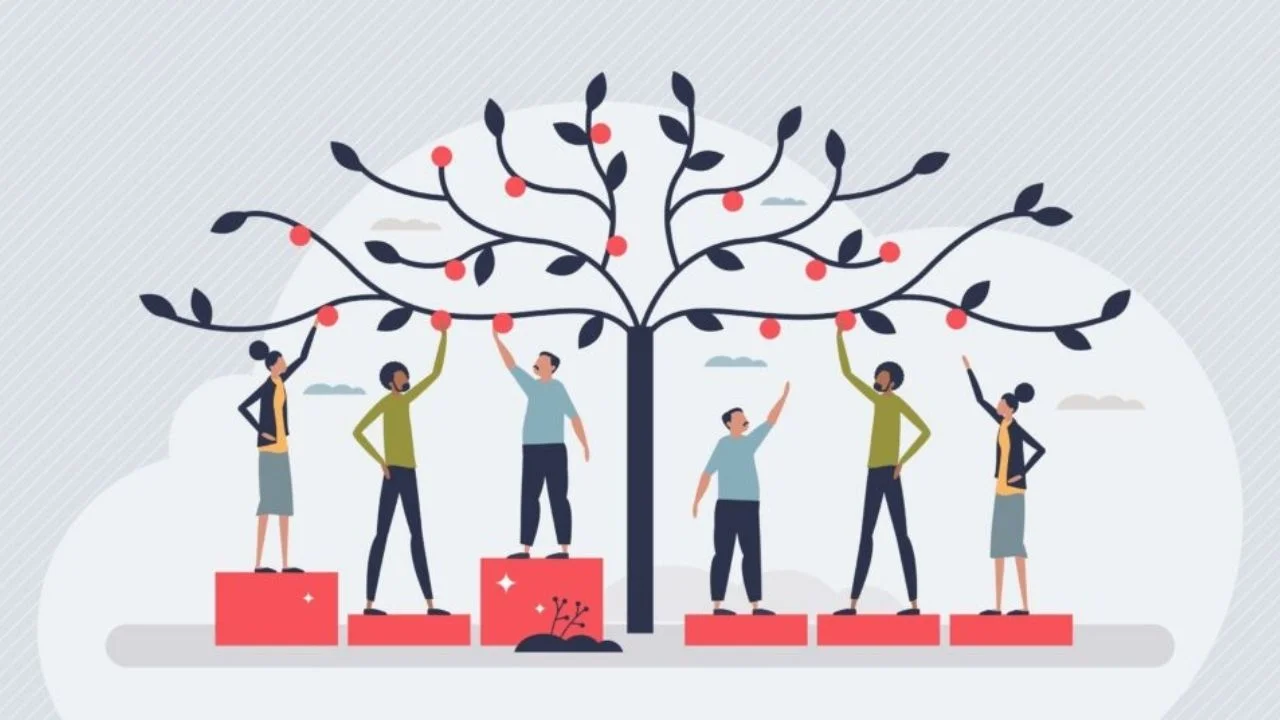
Critical care medicine—a specialty dedicated to treating patients with life-threatening situations—is vital in each health system. Yet great disparities exist among high-resource and low-aid settings, affecting access to lifesaving interventions, consequences, and long-term health equity. Addressing these inequities is not best a count of scientific functionality but also of global justice, ethics, and collective duty.
1. Limited Infrastructure and Equipment
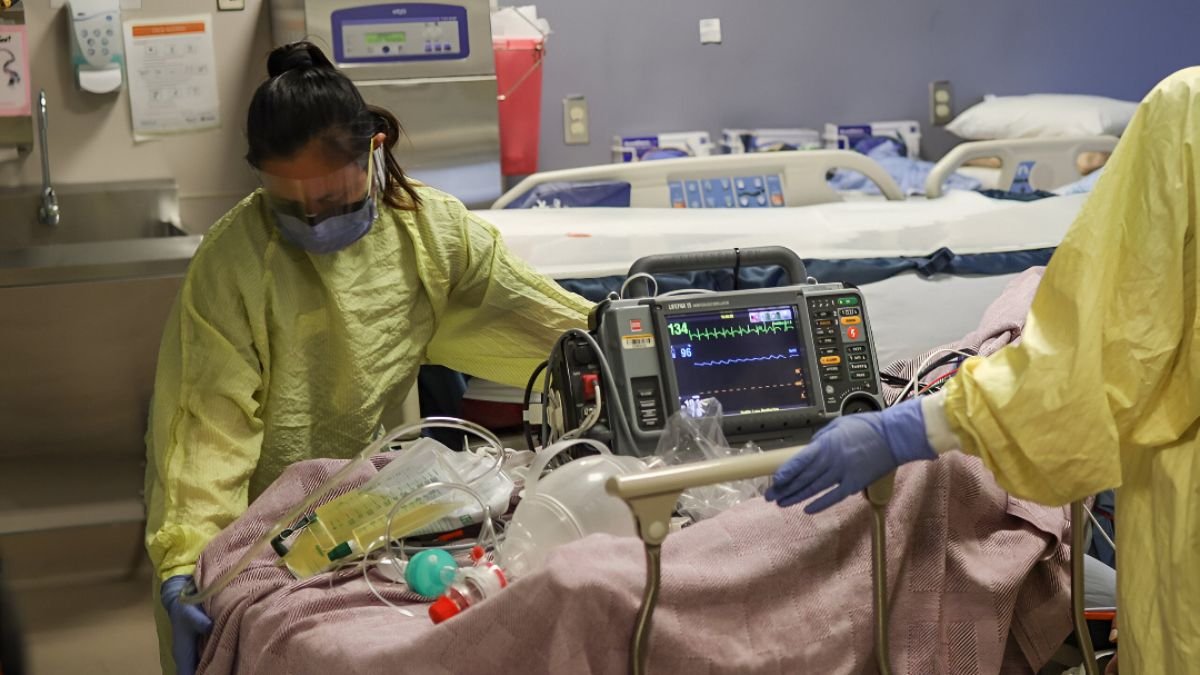
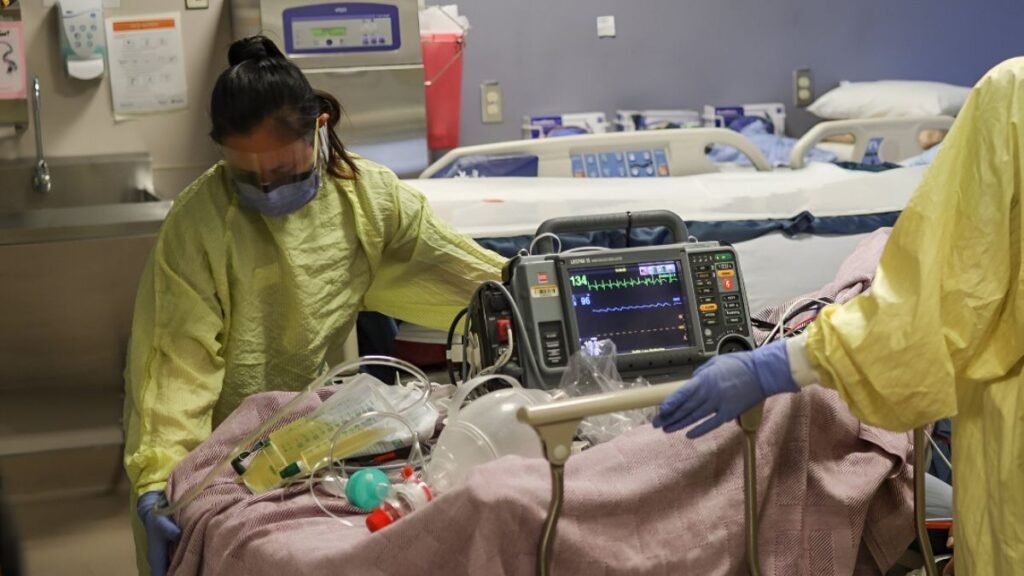
Many healthcare centers in low-aid regions lack simple crucial care infrastructure. Essential factors together with mechanical ventilators, infusion pumps, oxygen shipping structures, and monitoring devices are regularly scarce or non-realistic because of maintenance stressful situations. Without this system, clinicians battle to govern conditions like sepsis, breathing failure, or multi-organ disorder successfully.
2. Workforce Shortages and Training Gaps
Critical care requires notably professional professionals—intensivists, essential care nurses, respiratory therapists, and specialized technicians. Low-aid settings often face shortages of professional personnel, in component because of restricted educational possibilities and migration of specialists to metropolis facilities or wealthier countries. This gap ends in heavy workloads and will increase the hazard of burnout amongst current group of workers.
3. Financial Barriers and Healthcare Access
Out-of-pocket expenses for important care may be prohibitively excessive for sufferers and households in low-earnings communities. Where public medical insurance is restricted or nonexistent, human beings postpone or keep away from looking for care until conditions get worse, resulting in poorer consequences. Economic obstacles also constrain health structures from making an investment in important critical care services.
4. Supply Chain and Essential Medicines
Interrupted supply chains make it difficult to maintain a consistent availability of crucial medicines—along with antibiotics, vasopressors, and sedatives—as well as consumables like sterile materials, tubing, and private defensive equipment. These shortages undermine satisfactory care and positioned both patients and team of workers at threat.
Improving equity in essential care does now not require replicating high-income health structures exactly however adapting solutions which can be sustainable, context-unique, and scalable.
1. Strengthening Infrastructure with Appropriate Technology
Investment in fee-appropriate technology—including low-value ventilators, oxygen concentrators, and pulse oximeters—can massively improve care transport. Solar energy backups, modular ICU units, and telemedicine systems help expand important care capability without large capital expenses.
2. Training and Workforce Development
Partnerships with academic institutions and international agencies can aid schooling programs tailored to neighborhood wishes. Simulation-primarily based training, on-line courses, and mentorship networks assist construct scientific competence in essential care basics. Task-sharing fashions, wherein non-physician clinicians are trained to perform unique important care responsibilities below supervision, have proven promising consequences in lots of settings.
3. Policy and Financing Reforms
Governments and global health corporations ought to prioritize commonplace health insurance that includes essential care services. Innovative financing—including pooled procurement, health bonds, and donor partnerships—can stabilize funding for equipment, group of workers retention, and important resources.
4. Data, Research, and Local Leadership
Collecting exceptional facts allows become aware of gaps, screen consequences, and inform policy choices. Supporting neighborhood studies empowers health systems to expand proof-primarily based practices suited to their affected person populations. Importantly, strengthening neighborhood management ensures that interventions are culturally suitable and community-driven.
Achieving worldwide equity in vital care is a complicated mission requiring coordinated action throughout stakeholders—governments, clinicians, educational institutions, and global companions. By making an investment in infrastructure, body of workers improvement, financing reforms, and context-applicable solutions, the worldwide health community can assist ensure that every one sufferers, irrespective of wherein they stay, have get entry to to first rate crucial care. Equity in health isn’t merely a great; it is critical to saving lives and fostering healthier, extra resilient communities worldwide.