 11
11
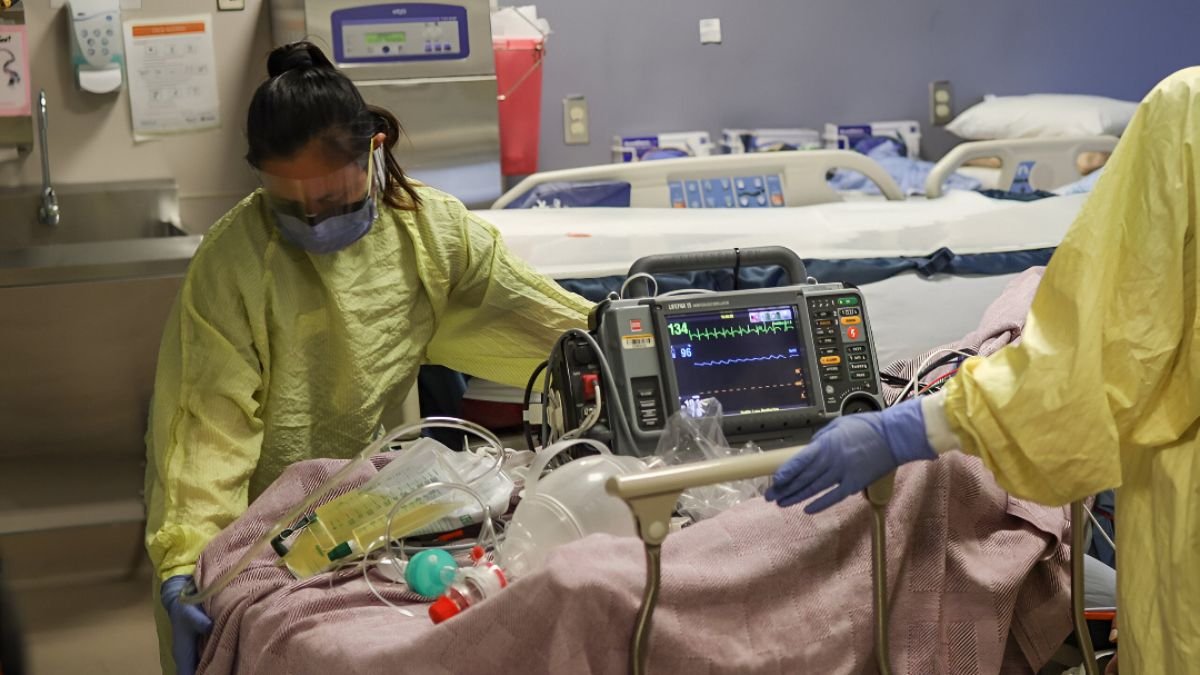
In 2025, intensive care medicine maintains to evolve swiftly as new research, technologies, and clinical insights reshape how significantly sick patients are managed. Evidence-based practice (EBP)—the conscientious use of current best evidence in making medical choices—stays the cornerstone of present day ICU care. As clinicians confront complicated, high-stakes eventualities, integrating proof-based totally techniques improves patient outcomes, reduces headaches, and complements resource usage. Here’s what ICU clinicians want to realize to stay at the vanguard of crucial care in 2025.
Sepsis stays a leading reason of mortality within the ICU. Evidence supports early identity and well timed intervention as vital determinants of survival. Updated protocols emphasize fast screening gear including the Sequential Organ Failure Assessment (SOFA) rating and short SOFA (qSOFA) criteria to detect deteriorating physiology. Early administration of huge-spectrum antibiotics and ok fluid resuscitation—guided by way of dynamic hemodynamic monitoring—are vital. Emerging proof also highlights the benefit of biomarker-guided therapy to refine antibiotic use and reduce resistance.
Mechanical air flow is life-maintaining but can also cause ventilator-precipitated lung damage (VILI). Lung-protecting air flow ideas—which include low tidal quantity (4–8 mL/kg expected body weight) and appropriate advantageous give up-expiratory pressure (PEEP)—are strongly supported with the aid of proof to reduce mortality in sufferers with acute breathing distress syndrome (ARDS). Individualizing ventilator settings based on riding strain and lung compliance continues to gain traction as a means to limit harm even as making sure adequate oxygenation.
Delirium is commonplace in the ICU and independently related to increased duration of stay, mortality, and long-term cognitive impairment. Evidence-based totally practice in 2025 consists of ordinary delirium screening with verified tools just like the Confusion Assessment Method for the ICU (CAM-ICU). Non-pharmacologic interventions—such as sleep protocols, early mobilization, and environmental optimization—have verified powerful in reducing delirium incidence. In terms of analgesia, multimodal pain management that limits reliance on opioids is more and more recommended to minimize damaging results.
Early bodily therapy and mobilization are now not optional—they may be fashionable components of ICU care backed by using proof showing progressed muscle power, shorter mechanical ventilation duration, and higher functional consequences at discharge. This practice includes coordinated care amongst nurses, bodily therapists, and respiration therapists to safely have interaction patients in motion as early as clinically feasible.
Advances in genomics, proteomics, and real-time tracking are permitting extra customized vital care. Tailoring cures based totally on patient phenotypes—which include subtypes of ARDS or sepsis—can enhance treatment effectiveness. Integration of artificial intelligence (AI) and predictive analytics into ICU workflows allows clinicians count on deterioration and customize care pathways.
Infection prevention stays paramount within the ICU. Evidence supports bundles of care including catheter-related contamination prevention checklists and chlorhexidine bathing. Antimicrobial stewardship programs assist optimize antibiotic use, decreasing resistance and improving consequences.
Evidence-primarily based practices serve as the muse of quality ICU care in 2025. By embracing early sepsis control, lung-protective air flow, delirium prevention, early mobilization, customized procedures, and strong infection control, clinicians can considerably enhance patient effects. Staying current with emerging evidence and integrating it into each day practice guarantees that seriously unwell patients obtain care that isn’t always most effective scientifically sound however also humane and patient-centered.