 11
11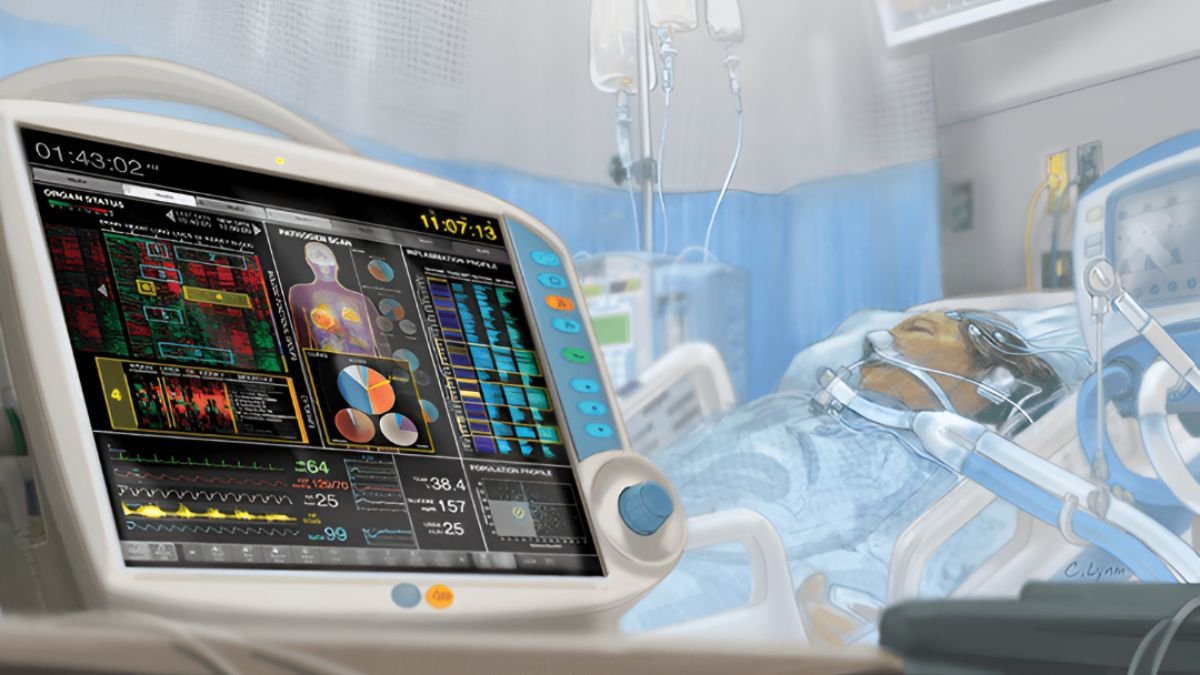
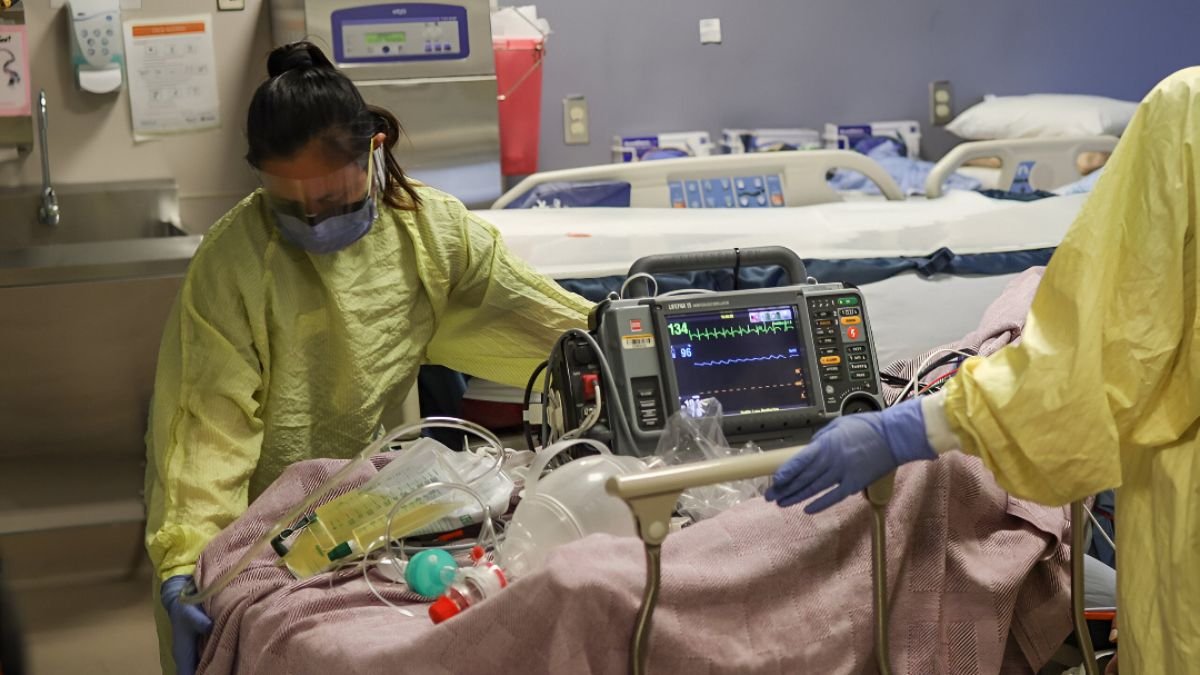
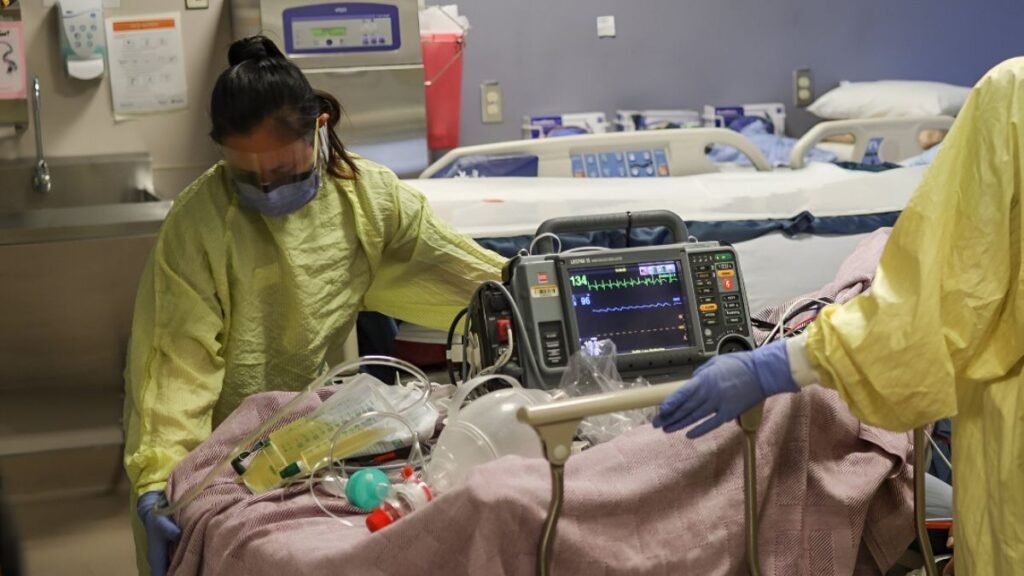
Respiratory remedy plays a valuable function in critical care medicinal drug, as many patients admitted to in depth care devices (ICUs) experience acute or chronic respiration failure. From coping with mechanical ventilation to optimizing oxygen shipping, respiration therapists are critical participants of the multidisciplinary crucial care crew. In 2025, fast technological advances, evolving clinical proof, and a more potent attention on patient-centered outcomes are reshaping respiratory remedy practices in essential care settings.
One of the most giant rising trends is the shift towards personalized ventilation. Traditional “one-size-fits-all” ventilator settings are being changed by means of individualized processes primarily based on lung mechanics, ailment phenotype, and real-time monitoring statistics. Clinicians now emphasize lung-protecting ventilation strategies, specifically in situations together with acute respiration misery syndrome (ARDS).
Advanced tracking tools allow clinicians to degree riding pressure, lung compliance, and transpulmonary pressures greater as it should be. These parameters assist tailor ventilator settings to minimize ventilator-induced lung injury (VILI) at the same time as ensuring adequate oxygenation and carbon dioxide elimination.
Non-invasive air flow (NIV) and excessive-glide nasal cannula (HFNC) remedy are increasingly more used as first-line treatments in selected sufferers with respiratory distress. These techniques reduce the want for intubation, decrease the danger of complications consisting of ventilator-associated pneumonia, and frequently shorten ICU remains.
High-flow systems deliver warmed, humidified oxygen at high flow rates, improving patient comfort and oxygenation. Careful patient choice and close monitoring stay vital to prevent delayed intubation whilst invasive guide will become vital.
Artificial intelligence (AI) and predictive analytics are rising as powerful tools in respiration treatment. Smart ventilators can now adjust settings routinely primarily based on patient remarks loops, reducing clinician workload and enhancing reaction time to physiological adjustments.
AI-driven algorithms moreover assist in early detection of respiratory deterioration, alerting clinicians to subtle adjustments in advance than they grow to be important. This proactive method complements affected character safety and facilitates records-driven selection-making in busy ICU environments.
Extracorporeal membrane oxygenation (ECMO) continues to expand as a rescue therapy for excessive respiration failure unresponsive to traditional air flow. Improvements in era have made ECMO systems more compact, green, and safer.
In addition, there may be growing hobby in extracorporeal carbon dioxide elimination (ECCO₂R) for patients with hypercapnic respiration failure. These techniques offer lung-protective blessings by way of permitting lower ventilator settings at the same time as keeping adequate gas change.
Modern respiration therapy emphasizes minimizing sedation and selling early mobilization, even in robotically ventilated sufferers. Evidence indicates that based weaning protocols and spontaneous respiration trials lessen air flow duration and enhance useful effects.
Respiratory therapists collaborate intently with nurses and physiotherapists to facilitate secure mobilization, strengthening respiration muscular tissues and decreasing ICU-acquired weak spot.
Preventing ventilator-associated complications remains a concern. Standardized care bundles, strict hygiene practices, and closed suction structures assist lessen contamination danger. Additionally, sustainability is gaining attention, with efforts to reduce medical waste and energy consumption related to respiration device.
Emerging trends in respiratory therapy reflect a move toward precision, generation integration, and holistic patient care. Personalized air flow, non-invasive support, AI-assisted tracking, extracorporeal therapies, and early rehabilitation are transforming respiratory management in vital care. As evidence continues to adapt, respiratory therapists and ICU groups must continue to be adaptable, making sure that innovation interprets into safer, greater powerful care for severely unwell patients.