 11
11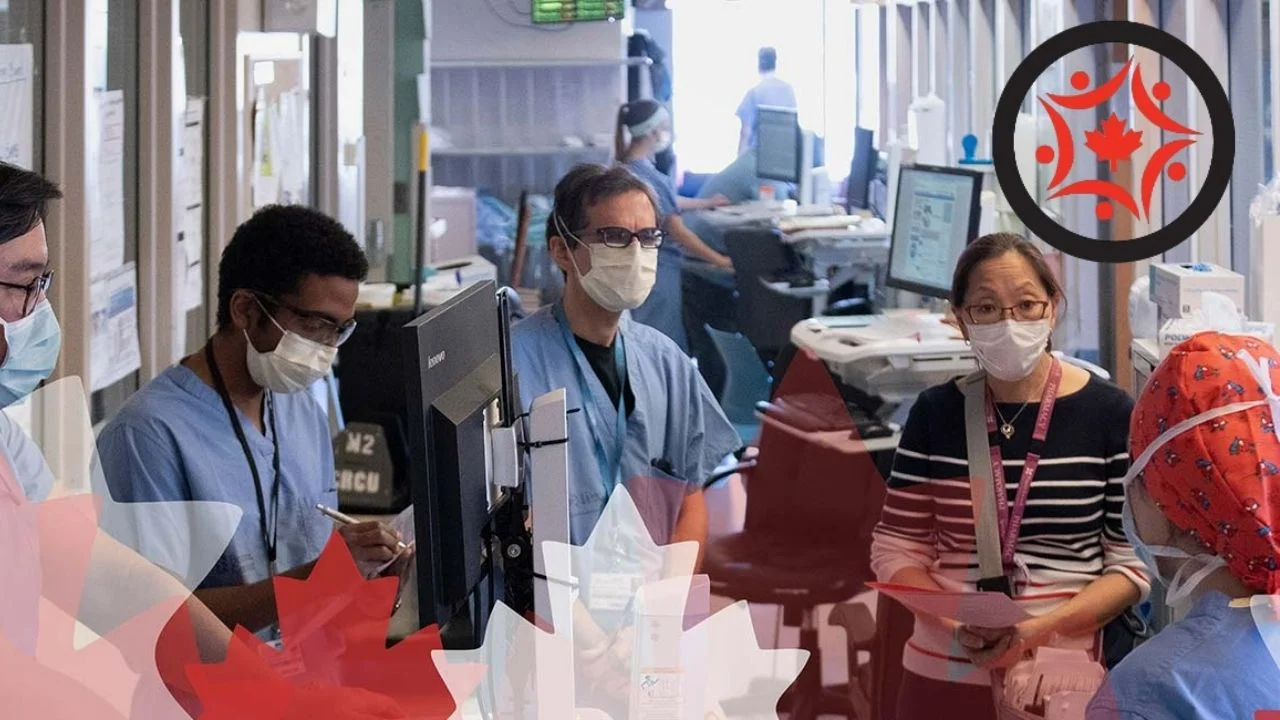
Canada has earned a strong global popularity for excellence in important care medicinal drug, pushed in large element via the work of the Canadian Critical Care Society (CCCS). As a countrywide professional corporation dedicated to advancing in depth care practice, education, and studies, the CCCS has performed a primary role in shaping evidence-primarily based requirements and fostering innovation across the country. Its contributions increase beyond Canada, influencing global essential care guidelines and practices.
One of the hallmarks of Canadian essential care research is its emphasis on large, multicenter medical trials. Through collaboration among instructional hospitals and studies establishments, Canadian investigators have contributed notably to research on sepsis management, mechanical air flow techniques, sedation protocols, and organ manual treatments.
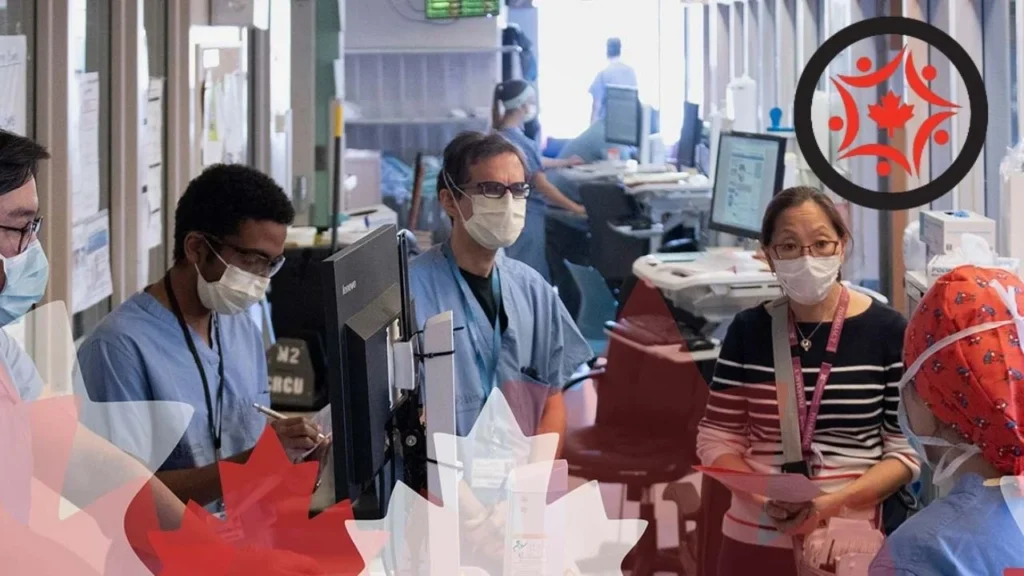
The CCCS supports a robust research way of life through encouraging collaboration amongst intensivists, nurses, breathing therapists, and allied health specialists. This multidisciplinary method guarantees that studies questions replicate real-world medical demanding situations and that findings are applicable across diverse patient populations
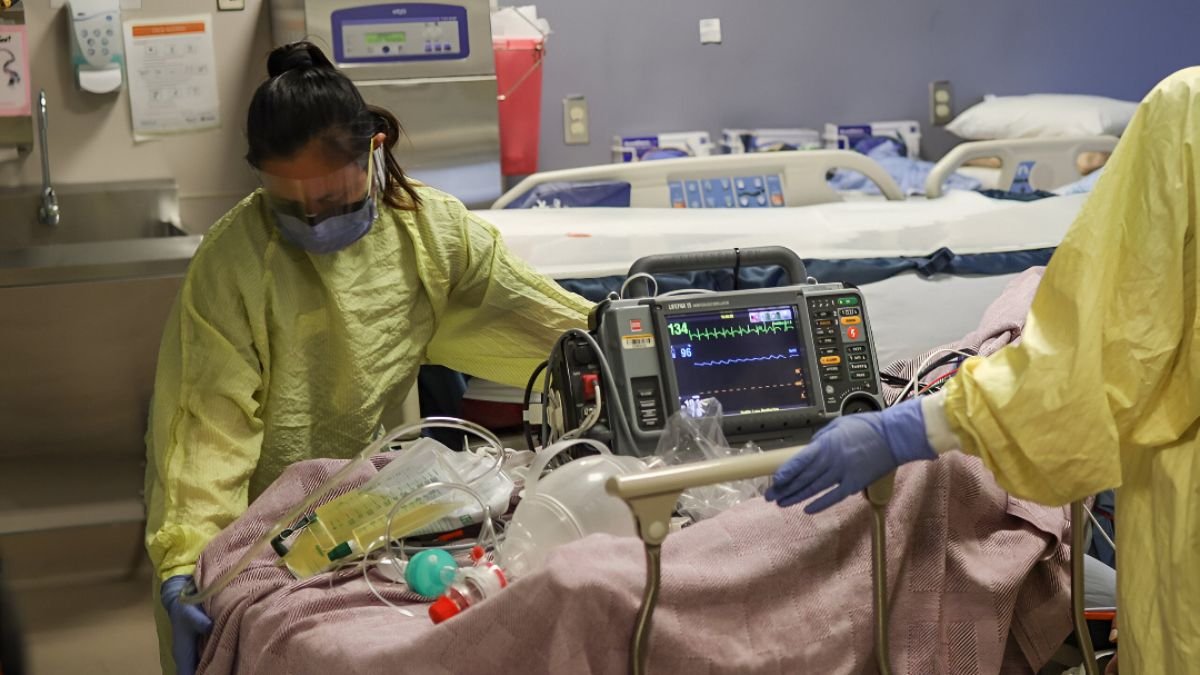
Canadian-led trials have helped refine techniques to lung-protecting air waft, optimize fluid manage in septic marvel, and evaluate first-class practices for delirium prevention. These contributions have advanced survival fees and reduced complications in ICUs each nationally and across the world.
The CCCS performs a key role in translating research into practice. By website hosting annual medical meetings and academic boards, the society gives a platform for sharing new proof and medical improvements. These gatherings deliver together researchers and frontline clinicians, accelerating the combination of research findings into bedside care.
In addition, the CCCS collaborates with different professional bodies to increase clinical hints tailor-made to Canadian healthcare structures. These tips are informed by means of both international evidence and nearby research information, making sure relevance to Canada’s various healthcare settings—from urban educational facilities to rural hospitals.
Recognizing that the destiny of critical care depends on strong educational leadership, the CCCS invests in mentoring early-career researchers. Grant programs, trainee awards, and research networking projects assist domesticate the next generation of clinician-scientists.
By encouraging younger investigators to pursue modern initiatives—ranging from precision medicine to health structures studies—the society ensures endured development in knowledge and coping with complex important ailments.
Canadian crucial care studies more and more focuses on equity and access. Investigators explore disparities in ICU outcomes amongst Indigenous populations, rural groups, and susceptible companies. The CCCS supports these efforts by fostering partnerships that study how fitness structures can come to be greater inclusive and resilient.
Research into resource allocation, tele-ICU models, and pandemic preparedness has also strengthened Canada’s potential to respond to large-scale health crises. These system-level insights have tested specifically precious in instances of public health emergencies.
The Canadian Critical Care Society has been instrumental in positioning Canada as a pacesetter in crucial care studies. Through rigorous medical trials, information translation, mentorship, and a dedication to equity, the society advances both country wide and worldwide requirements of care. Its ongoing willpower to innovation and collaboration ensures that critically unwell patients across Canada—and beyond—benefit from contemporary, evidence-based treatment.