 11
11
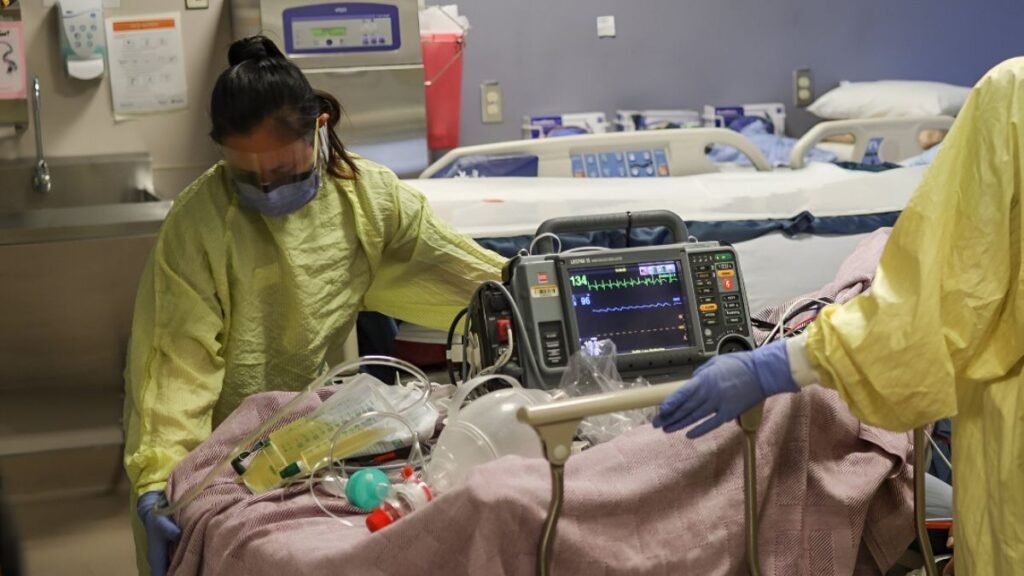
Critical care medicine is dedicated to the management of life-threatening illnesses and injuries. While the middle ideas of in depth care observe across age businesses, adult and pediatric important care differ considerably in physiology, ailment patterns, treatment methods, and emotional considerations. Understanding those variations is important for healthcare experts who paintings in emergency departments, in depth care devices (ICUs), or multidisciplinary clinic settings.
One of the mostessential differences among adult and pediatric important care lies in body structure. Children are not genuinely “small adults.” Their bodies function in another way, and these differences influence diagnosis and treatment.
For instance, babies and young children have better heart charges and breathing quotes as compared to adults. Their blood stress norms vary via age, and they are able to maintain regular blood strain till late degrees of surprise, making early reputation more difficult. Additionally, kids have smaller airlines, which increases the danger of obstruction and respiratory compromise. Drug dosing in pediatric care is weight-based totally, requiring specific calculations to avoid below- or overdosing.
Adults, alternatively, often present with persistent comorbidities which include diabetes, high blood pressure, or heart disorder, which notably have an effect on remedy plans and restoration trajectories.
The underlying causes of vital illness additionally differ between adults and children.
In person crucial care, common situations consist of sepsis, myocardial infarction, stroke, continual respiration failure, trauma, and headaches of long-standing diseases. Many adult ICU admissions are related to way of life elements or age-related degeneration.
In pediatric important care, breathing illnesses inclusive of bronchiolitis, pneumonia, congenital coronary heart defects, sepsis, and trauma are commonplace motives for admission. Neonatal ICUs (NICUs) focus on premature toddlers and complications related to beginning. Genetic and developmental conditions additionally play a larger position in pediatric populations.
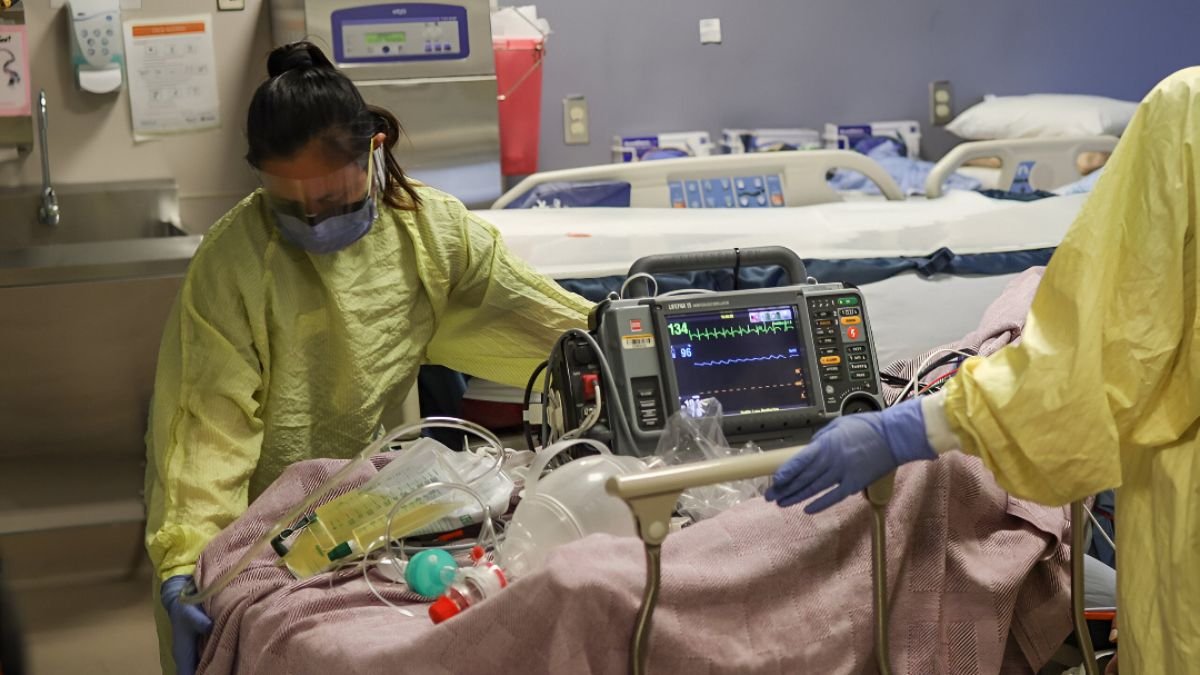
The ICU environment itself displays those differences. Pediatric ICUs (PICUs) and NICUs require specialised device designed for smaller our bodies, along with accurately sized ventilators, catheters, and tracking devices. Even minor mistakes in sizing can result in headaches.
Moreover, pediatric gadgets often contain child-friendly designs to reduce tension, along with colorful decor and spaces for parents to live overnight. In grownup ICUs, the surroundings is typically greater medical and focused on managing complex persistent conditions.
Family involvement is normally more intensive in pediatric critical care. Parents or guardians are key decision-makers and are deeply concerned in every day care discussions. Clinicians need to communicate complicated medical information in a compassionate, handy manner.
In person essential care, sufferers may participate without delay in decisions if they are aware and succesful. However, surrogate decision-makers are worried whilst sufferers are incapacitated. Ethical issues consisting of strengthen directives and end-of-life care discussions are extra commonplace in adult ICUs.
Critical infection influences emotional well-being in each populations, but pediatric care incorporates particular sensitivities. Healthcare companies have to deal with not best the child’s wishes but additionally the mental strain experienced via parents and siblings.
In person care, clinicians often navigate issues related to getting old, continual contamination, and high-quality-of-existence concerns, specially in elderly sufferers.
While person and pediatric critical care percentage the same last goal—stabilizing and saving lives—their techniques vary significantly in body structure, disorder patterns, device, verbal exchange, and ethical considerations. Recognizing these distinctions enables healthcare specialists to deliver age-appropriate, safe, and compassionate care tailored to the unique wishes of each patient population.