 11
11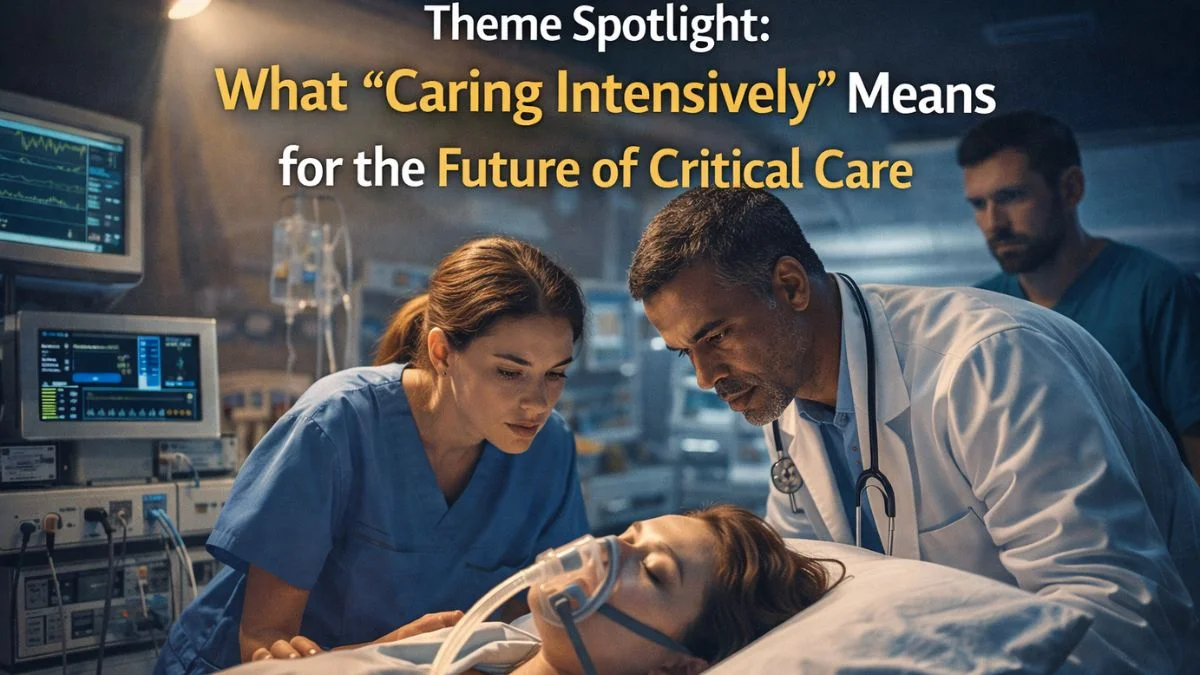
The phrase “Caring Intensively” may sound simple at first, but within the world of critical care medicine, it carries deep meaning and powerful implications for the future. It goes far beyond advanced machines, complex procedures, or cutting-edge research. “Caring Intensively” represents a renewed commitment to treating critically ill patients with not only clinical precision but also humanity, empathy, and presence. As critical care continues to evolve, this theme highlights a shift toward care that is deeply personal, ethically grounded, and emotionally aware.
Critical care has long been associated with technology-driven environments filled with monitors, ventilators, and life-support systems. While these tools remain essential, “Caring Intensively” signals an evolution beyond a purely technical focus. The future of critical care recognizes that healing is not achieved by machines alone. It requires human connection, thoughtful communication, and an understanding of the patient as a person, not just a diagnosis. This shift reflects a growing awareness that outcomes improve when compassion and clinical excellence coexist.
At the heart of “Caring Intensively” is a strong emphasis on patient-centered care. Critically ill patients are often at their most vulnerable, unable to speak for themselves or understand what is happening around them. Intensive caring means advocating for these patients, respecting their dignity, and honoring their values even in moments of crisis. The future of critical care places greater importance on listening to patients’ wishes, involving families in decision-making, and ensuring that treatment plans align with what truly matters to the individual.
Traditionally, success in critical care has been measured by survival rates and length of hospital stay. While these metrics remain important, “Caring Intensively” challenges healthcare professionals to redefine what success truly means. Recovery now includes quality of life, emotional well-being, and long-term outcomes after leaving the intensive care unit. This broader perspective encourages clinicians to consider how treatments affect patients months or even years later, shifting the focus from short-term survival to meaningful recovery.
Critical care units are among the most demanding environments in healthcare. Fast decisions, high stakes, and emotional stress are part of daily life. “Caring Intensively” emphasizes that empathy is not a weakness in these settings but a strength. Showing compassion to patients and families during moments of fear and uncertainty builds trust and eases emotional suffering. In the future, critical care teams will increasingly value emotional intelligence as a core professional skill alongside medical expertise.
Serious illness affects not only patients but also their families. “Caring Intensively” recognizes families as essential partners in the care process. Clear communication, emotional support, and transparency help families navigate complex medical situations. The future of critical care involves creating space for families to be present, informed, and involved, even during the most challenging circumstances. This approach strengthens relationships and reduces trauma for those who stand beside critically ill loved ones.
Ethical dilemmas are unavoidable in intensive care, particularly when treatments may prolong life without improving its quality. “Caring Intensively” places ethical responsibility at the center of clinical practice. It encourages thoughtful discussions about goals of care, end-of-life decisions, and the balance between intervention and comfort. The future of critical care will demand clinicians who are not only skilled technicians but also compassionate guides through difficult moral terrain.
Caring intensively for patients requires immense emotional and physical energy. This theme also acknowledges the importance of caring for healthcare professionals themselves. Burnout, moral distress, and fatigue are common in critical care settings. The future of the field depends on sustainable practices that support the mental health and well-being of clinicians. “Caring Intensively” includes fostering supportive work environments where healthcare workers feel valued, heard, and protected.
Critical care is never delivered by one individual alone. It relies on collaboration among physicians, nurses, respiratory therapists, pharmacists, and many others. “Caring Intensively” reinforces the idea that effective teamwork is essential to high-quality care. Respectful communication, shared decision-making, and mutual trust within teams lead to better outcomes for patients. The future of critical care will continue to strengthen interdisciplinary collaboration as a core principle.
In intensive care settings, communication can be just as powerful as medication or technology. Explaining complex information clearly, listening actively, and offering reassurance are all part of intensive caring. Miscommunication can increase anxiety and suffering, while compassionate dialogue can bring clarity and comfort. The future of critical care places growing emphasis on communication training, recognizing it as a vital clinical skill.
Patients come from diverse cultural, spiritual, and social backgrounds, all of which influence how they experience illness and care. “Caring Intensively” means respecting these differences and adapting care accordingly. The future of critical care will increasingly integrate cultural sensitivity into everyday practice, ensuring that care is inclusive and respectful. This approach builds trust and helps patients and families feel understood during vulnerable moments.
Surviving critical illness is often just the beginning of a long recovery journey. Many patients face physical weakness, cognitive changes, and emotional challenges after leaving the ICU. “Caring Intensively” extends beyond hospital walls, emphasizing follow-up care, rehabilitation, and emotional support. The future of critical care recognizes the importance of continuity, ensuring that patients are supported not only during crisis but also throughout recovery.
To truly embody “Caring Intensively,” education and training must evolve. Future critical care professionals will need strong foundations in ethics, communication, and emotional resilience alongside clinical skills. Training programs are increasingly incorporating simulation, reflective practice, and patient narratives to prepare clinicians for the human realities of intensive care. This holistic education model shapes professionals who are technically skilled and deeply compassionate.
Technology will continue to play a major role in critical care, but “Caring Intensively” reminds us that innovation should be guided by human values. New tools and treatments must enhance, not replace, the human connection between caregivers and patients. The future of critical care lies in integrating technology in ways that support personalized, compassionate care rather than distancing clinicians from those they serve.
Trust is the foundation of effective critical care. Patients and families place their lives in the hands of healthcare teams during moments of profound vulnerability. “Caring Intensively” prioritizes honesty, consistency, and presence as essential elements of trust-building. The future of critical care will continue to emphasize transparency and integrity, recognizing that trust is as vital as any medical intervention.
“Caring Intensively” is more than a theme; it is a vision for the future of critical care medicine. It calls for a balanced approach where science and compassion work hand in hand. As healthcare systems evolve, this philosophy encourages a return to the core purpose of medicine: to relieve suffering, preserve dignity, and support life in all its complexity.
The future of critical care will not be defined solely by faster machines or more advanced treatments. It will be shaped by how deeply healthcare professionals care for those entrusted to them. “Caring Intensively” challenges the field to remain human in the most intense clinical environments. By embracing empathy, ethical responsibility, teamwork, and holistic healing, critical care can move forward with purpose and compassion, ensuring that the most advanced care remains deeply human at its core.